The Psychological Impact of Gambling
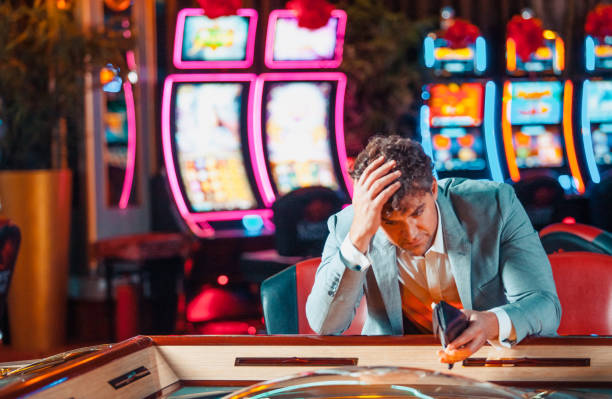
Gambling can have profound psychological effects on individuals, ranging from excitement and joy to anxiety and depression. The thrill of winning can create a euphoric state, leading to a temporary boost in self-esteem. However, this is often followed by the possibility of significant losses, which can trigger feelings of guilt, shame, and hopelessness. As the cycle of winning and losing continues, many may find themselves trapped in a rollercoaster of emotions that can severely impact their mental health. For more details and resources, visit our site here.

Moreover, the nature of gambling often encourages risk-taking behavior. For some individuals, the urge to chase losses can become overwhelming, leading to compulsive gambling. This compulsive behavior can result in a range of mental health issues, including anxiety disorders and depression, as the individual struggles to manage the emotional consequences of their actions.
The Role of Environment in Gambling Behavior
The environment in which one engages in gambling activities plays a crucial role in determining its impact on mental well-being. Casinos and online gambling platforms often create an atmosphere that promotes continuous play, using bright lights and enticing sounds to keep players engaged. This sensory overload can alter a person’s mental state, making it difficult to discern when it’s time to stop. Additionally, social pressures can exacerbate these feelings, as individuals may feel compelled to gamble to fit in or impress peers.
On the contrary, a supportive environment that encourages responsible gambling can mitigate some of these negative effects. When individuals are surrounded by friends or family who promote healthy gaming habits, they are more likely to enjoy gambling as a form of entertainment rather than falling prey to its darker aspects.
The Connection Between Gambling and Mental Disorders
There is a notable connection between gambling and various mental health disorders. Research shows that individuals with pre-existing conditions such as anxiety, depression, or substance abuse disorders are more susceptible to developing gambling problems. The relationship is often cyclical; gambling can exacerbate existing mental health issues, while untreated mental health conditions can lead to increased gambling behavior as a coping mechanism.
Understanding this connection is vital for both individuals and healthcare professionals. Awareness can lead to early intervention strategies that help individuals address underlying mental health issues while also managing their gambling habits. This dual approach can create a healthier balance and reduce the potential for severe psychological consequences.
Strategies for Responsible Gambling
Establishing strategies for responsible gambling is essential for maintaining mental well-being. Setting limits on time and money spent on gambling can help individuals enjoy their experience without letting it spiral out of control. It’s important to view gambling as a form of entertainment rather than a way to make money, which can help reduce stress and unrealistic expectations.
Additionally, recognizing the signs of problem gambling can empower individuals to seek help when necessary. Many organizations offer support and resources to those struggling with gambling addiction. Engaging in self-reflection and being aware of one’s emotional state before and after gambling sessions can also promote healthier habits and a more positive mental outlook.
Discovering More About Responsible Gambling
For those looking to explore the nuances of gambling and its impact on mental health, understanding responsible gambling practices is key. Various platforms provide insights and guidance on how to enjoy gaming activities safely. This includes learning about the importance of setting personal limits and recognizing the signs of addiction, which can help in making informed decisions.
Additionally, educational resources often offer advice on how to balance gambling with other aspects of life. By making informed choices and knowing when to seek help, individuals can enhance their gambling experiences while safeguarding their mental well-being. It’s crucial to recognize that enjoyment can coexist with responsibility, paving the way for a healthier relationship with gambling.