The Illusion of Control
One of the key psychological factors influencing gambling behavior is the illusion of control. Many players believe they can influence the outcome of games through their actions, whether it's choosing a specific slot machine or employing strategies in table games. This belief can lead to a greater willingness to engage in gambling, as individuals feel empowered to affect the results. In reality, most casino games rely heavily on chance, yet this psychological phenomenon persists and drives players to continue betting, often seeking sport betting sites for additional options.
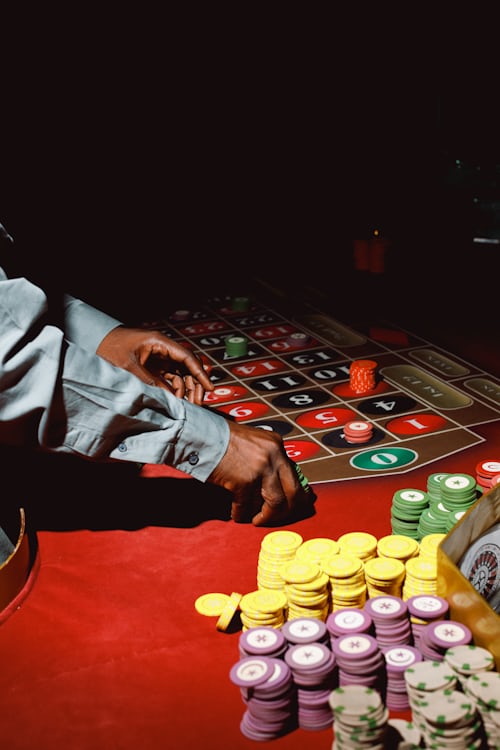
This illusion is further reinforced by variable reward schedules, where players experience intermittent wins that create a sense of accomplishment. When players win after making a particular choice or using a specific strategy, they may attribute the outcome to their decisions, reinforcing their belief in their control. This cycle can lead to increased gambling, as players chase the feeling of mastery and control over their luck.
The Role of Cognitive Biases
Cognitive biases play a significant role in shaping how players perceive their success and losses in casinos. One prominent bias is the "gambler’s fallacy," where individuals believe that past events influence future outcomes. For instance, a player may feel that a particular slot machine is "due" for a win after a series of losses, leading them to continue playing with the hope of a forthcoming jackpot. This fallacy can result in substantial financial losses, as players may overlook the randomness of the game. Understanding these biases can enhance awareness about gambling.
Another bias is the "hot-hand fallacy," where players mistakenly believe that a successful streak will continue. When players win several hands in a row, they often convince themselves that they are on a winning streak, prompting further gambling. Understanding these cognitive biases is essential for both players and casino operators, as they can significantly impact behavior and decision-making in gambling environments.
The Emotional Rollercoaster of Gambling
The emotional experience of gambling is intense and can significantly affect players' decisions. Many gamblers experience a mix of excitement, anxiety, and hope as they play, which can create an addictive cycle. The thrill of potentially winning large sums of money can lead to euphoric feelings, while losing can evoke feelings of frustration or disappointment. This emotional rollercoaster can cause players to chase losses, believing that a comeback is just around the corner. Recognizing such emotions is vital for maintaining a balanced perspective.
Moreover, casinos are designed to amplify these emotions by creating an engaging atmosphere. From bright lights and sounds to the strategic placement of machines, the environment plays a crucial role in enhancing the gambling experience. These psychological triggers can lead to increased session lengths and larger bets as players become enveloped in their emotional journey. Recognizing this pattern is essential for understanding the psychology of winning at casinos.
The Social Aspects of Gambling
Gambling is often a social activity, and the social dynamics at play can greatly influence a player's experience and decisions. Many people enjoy visiting casinos with friends or participating in group games, where the collective energy can heighten the excitement. The communal aspect of gambling allows players to share in victories and console each other after losses, creating a sense of belonging that can be deeply rewarding. The importance of these shared moments cannot be understated in the gambling community.
This social element can also lead to peer pressure, where individuals may bet beyond their means to keep pace with friends or to fit into the group dynamic. The desire for social acceptance can drive significant gambling behaviors, often leading to higher risks and potentially problematic gambling patterns. Understanding how social interactions shape gambling experiences is essential for both players and those who support them.

Our Commitment to Responsible Gaming
At our website, we are dedicated to promoting responsible gaming and providing valuable resources for those interested in understanding the psychology of gambling. Recognizing the factors that influence behavior is crucial for making informed decisions in casino environments. We strive to offer insights that empower players to enjoy their experiences while remaining aware of the psychological elements at play and the risks of excessive gambling.
We believe that informed gamblers are responsible gamblers. Through our resources, we aim to facilitate a deeper understanding of the emotional, cognitive, and social aspects of gambling, helping individuals navigate the thrilling yet complex world of casinos. If you have any questions or need support, please don’t hesitate to reach out to our dedicated team.